Renting out property was once seen as a fairly passive way of generating income. However, over recent years the role of the landlord has become far more demanding, with a growing number of regulations, responsibilities, and compliance requirements to navigate.
The government recently introduced a whole host of reforms designed to create a fairer and more secure market for renters. As a result, landlords have found themselves under increasing scrutiny. Their role has evolved from simply collecting rent and maintaining a property to something far more complicated which requires them to wear many hats.
Some of the biggest changes took effect during the first half of 2026, when the landmark Renters’ Rights Act 2025 came into effect and Making Tax Digital (MTD) was introduced for sole traders and landlords. Any landlords who were still getting by using outdated systems and processes are now being forced to update the way they work to meet new modern requirements and dodge potential penalties.
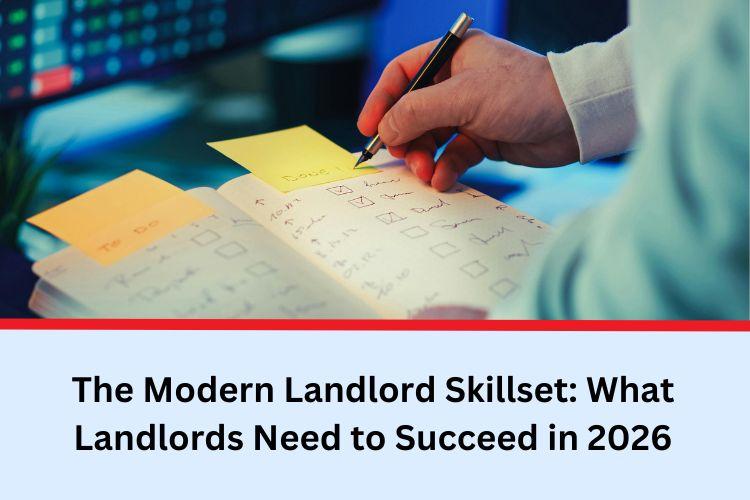
In this article, we’re going to explore how the role of the landlord has evolved and the essential skills every landlord needs to develop to stay compliant, profitable and competitive in 2026 and beyond.
Essential Skills Every Landlord Needs in 2026
In 2026, it takes more than a well-maintained property to run a successful rental business. On top of all the usual responsibilities, like maintaining safe living conditions, collecting rent, and managing tenants, landlords must now also navigate an increasingly complex regulatory landscape, keep digital records, and submit their tax returns online.
As the private rented sector continues to change, landlords need to adapt with it. The most successful landlords will be those who are willing to develop new skills, embrace new technology, and take a more professional approach to managing their properties.
Landlord Compliance Skills for 2026
Today’s landlords are operating in an increasingly complex regulatory environment. The introduction of the Renters’ Rights Act and Making Tax Digital, and the upcoming EPC reforms and changes to Awaab’s Law, will all increase the responsibilities placed on landlords and raise expectations around their professionalism and accountability.
While landlords don’t need to become legal experts, they do need to have a thorough understanding of which laws apply to their business and what their obligations are to ensure compliance.
Failing to stay up to date with legislative changes could have serious consequences for landlords, increasing the risk of disputes with tenants, financial penalties, and even legal action.
How to strengthen this skill
- Subscribe to industry newsletters.
- Attend industry webinars, events, and conferences.
- Carry out regular compliance reviews.
- Review and update tenancy agreements after legislative changes.
- Use landlord software like PaTMa’s Property Manager to set reminders for key compliance deadlines.
Landlord Record Keeping and Organisation
Excellent organisational skills are arguably one of the most valuable skills today’s landlords can possess. They can no longer get away with running their properties the old school way with just a spreadsheet and a folder of receipts. Increased compliance requirements and the introduction of MTD mean that all landlords are now expected to maintain accurate, organised, and comprehensive digital records.
From tenancy agreements and property inspections to income and expenditure records and tenant communications, everything should be stored in one secure and organised central location. Keeping detailed digital records helps landlords to stay on top of compliance obligations and avoid missed deadlines. It also helps to create a clear audit trail, which provides invaluable evidence if a dispute arises or a landlord’s actions are challenged.
How to strengthen this skill
- Store all property-related documents in one central location.
- Keep a record of all tenant communications.
- Log maintenance requests and repair work carried out.
- Set reminders for important compliance deadlines.
- Use landlord software to create a clear and organised audit trail.
Financial Management for Landlords
With compliance costs rising, mortgage rates remaining high, and property maintenance expenses increasing, strong financial management skills can help landlords to maintain profitability.
The most successful landlords regularly review their portfolio’s financial performance and understand exactly where their money is going. They know which properties are performing well and generating the best returns and where improvements could be made.
Ultimately, landlords who have a clear understanding of their accounts, cash flow, and long-term financial goals are equipped to make smarter and more profitable business decisions.
How to strengthen this skill
- Regularly review rental income and expenses.
- Budget for maintenance and compliance costs.
- Keep an emergency fund for unexpected repairs and void periods.
- Monitor the profitability of each property in your portfolio.
- Use software to generate cash flow and financial performance reports.
Better Tenant Communication for Landlords
The introduction of the Renters’ Rights Act has shifted the balance of power between tenants and landlords, making it more important than ever that landlords work to maintain positive relationships with their tenants. Landlords can no longer fall back on Section 21 no-fault evictions to regain possession of a property, and tenants have been given powers to challenge rent increases and unfair practices, as well as more flexibility to leave if they are unhappy.
Maintaining positive relationships with tenants is no longer good practice; it’s good business. Landlords who communicate clearly with tenants and respond promptly to maintenance issues will benefit from more satisfied tenants, longer tenancies, and fewer disputes.
How to strengthen this skill
- Aim to respond to tenant enquiries within a set timeframe.
- Set clear expectations from the start of the tenancy.
- Always communicate professionally, even during difficult conversations.
- Keep an email audit trail and written record of every conversation.
- Always put important information and agreements into writing/an email and send a copy to the tenant.
- Keep tenants informed about the progress of all maintenance and repair work.
Proactive Rental Property Maintenance
Landlords are now also facing much stricter housing standards as new legislation has placed greater responsibility on them to provide safe, well-maintained rental homes. Awaab’s Law, which currently only applies to the social housing sector, is expected to be extended to the private rented sector in the future. This puts landlords under growing pressure to respond quickly to issues like damp, mould, and other potential hazards in their rental properties.
Becoming more proactive about property maintenance will help landlords ensure they’re ready when Awaab’s Law is extended. Instead of waiting for problems to arise, they must become more proactive about carrying out regular property inspections, helping them to identify issues early and address them before they become more serious problems.
Not only will this approach help landlords prepare for future regulatory changes, but it will also increase tenant satisfaction, protect their property’s value, and help to reduce repair costs.
How to strengthen this skill
- Schedule regular property inspections.
- Set a timeframe within which you’ll respond to maintenance issues.
- Keep records of all inspections, repairs, and contractor visits.
- Build relationships with reliable contractors and tradespeople.
- Be proactive about maintenance rather than waiting for problems to escalate.
Why Digital Skills Matter for Modern Landlords
Like it or not, technology now plays a prominent role in property management. While landlords don’t need to become IT experts, they do need to be confident using digital tools to manage their business effectively and meet their legal obligations.
Digital record-keeping and tax returns are now non-negotiable. However, beyond tax compliance, technology can also help landlords to manage and securely store important documents, track maintenance requests, communicate with tenants, monitor compliance deadlines, and evaluate their portfolio’s performance.
Landlords who embrace digital tools and spend time learning how to use bookkeeping software or landlord software like PaTMa’s Property Manager will reap the rewards. Digital tools can help landlords to streamline their day-to-day operations, improve organisation, and stay compliant in an increasingly digital world.
How to strengthen this skill
- Familiarise yourself with the digital tools available for landlords.
- Store important documents and records digitally.
- Use landlord software to automate routine admin tasks.
- Set digital reminders and alerts for important compliance deadlines.
- Be open to adopting new technology that could save time or improve efficiency.
- Make sure you’re signed up for MTD-compatible software like PaTMa before the first quarterly tax return is due.
Managing Risk as a Landlord
The private rented sector has undergone significant change in recent years, with still more reforms on the horizon. In this ever-evolving landscape, the most successful landlords will be those who take a long-term view rather than just reacting to challenges as they arise. Instead of constantly firefighting, landlords need to learn to identify risks early and put plans in place to manage them.
Proactive, forward-thinking landlords will find themselves better equipped to adapt more seamlessly to change while protecting their cash flow. This not only helps to reduce stress, but also creates a stronger foundation for long-term growth and success.
How to strengthen this skill
- Create an emergency fund for unexpected repairs, void periods, or compliance costs.
- Review your portfolio’s performance regularly.
- Make sure you’re always in the know about upcoming legislative changes.
- Create a long-term business plan for maintaining and scaling your portfolio and compliance.
The private rented sector is changing rapidly, and the role of the landlord is changing with it. In an increasingly regulated environment, landlords must be organised, proactive, and open to using technology to streamline their business operations.
While the pace of change can feel overwhelming, by developing the right skills now, landlords can minimise stress and ensure their property rental business remains profitable and competitive in the years to come.
How PaTMa Helps Modern Landlords Stay Compliant
If you’re looking for one tool to help you develop these skills and stay on top of your responsibilities as a modern-day landlord, look no further than PaTMa.
Specifically designed for landlords, PaTMa makes it easier to stay organised, meet compliance requirements, and manage your properties more efficiently from one central platform.
You don’t need to be particularly tech-savvy to get started either. PaTMa is designed to be intuitive and user-friendly, helping landlords to stay in control without feeling overwhelmed by complicated systems.
PaTMa’s Property Manager includes tools to help landlords:
- Manage tenancy documents and records.
- Keep digital financial records.
- Submit digital tax returns for MTD.
- Keep track of compliance deadlines.
- Build detailed inventories.
Book a free online demo or start your free trial today to discover how PaTMa can help you develop the modern landlord skillset.