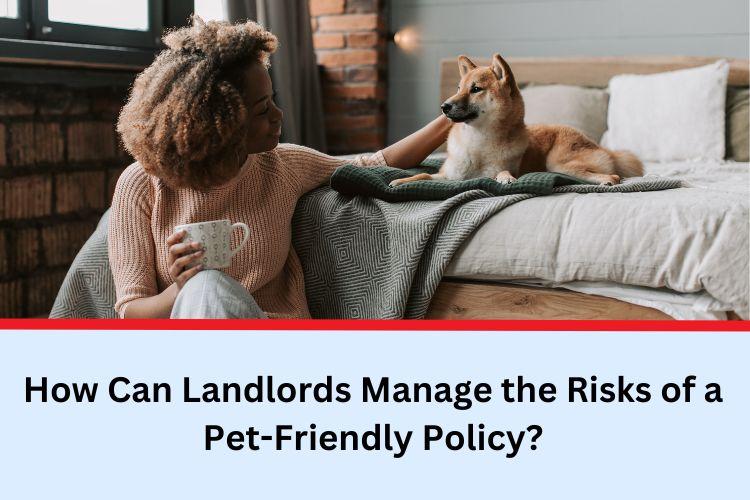
When a tenant asks to keep a pet in a rental property, even the most animal-loving landlord may hesitate before answering.
From scratched doors to stained carpets and chewed furniture, let’s face it, pets can be destructive. In the past, many landlords chose to ban pets to minimise the risk of damage and save themselves the potential hassle.
However, that’s all set to change this year. The law now recognises the positive impact keeping a pet can have on mental health and wellbeing, and the rules are changing to strengthen tenants' rights to pet ownership. From 1 May 2026, new rules introduced by the Renters’ Rights Act 2025 will mean that landlords can no longer say no to pets without a valid reason.
So, if you’ve not allowed tenants to keep pets before, now is the time to rethink your approach. With the right policies and safeguards in place, you can welcome pets into your rental properties without too much worry.
In this article, we’ll explain how the law is changing and what landlords can do to manage the risks of a pet-friendly rental policy.
How does the Renters’ Rights Act 2025 strengthen tenants' rights to pet ownership?
It has always been notoriously difficult for pet owners to find private rented housing that will accept both them and their furry friends.
Prior to the Renters’ Rights Act, there had never been any formal rules regarding pets in rented accommodation, leaving it at the landlord’s discretion to decide whether to allow them or not.
As a result, many landlords have simply operated a blanket ban to save themselves any potential hassle that may come from allowing pets in their properties.
However, from 1 May 2026, tenants’ rights to pet ownership are being strengthened. Under the new rules, tenants will have the right to request a pet, and landlords will no longer be allowed to unreasonably refuse.
The tenant will need to make their request in writing, and the landlord will need to follow a formal process when they respond.
Under what grounds will a landlord be able to refuse a tenant’s request to keep a pet?
From 1 May 2026, landlords will only be able to say no to pets in their property if they have a valid reason to do so. Unfortunately, there’s still a lack of clear guidance on what counts as a ‘valid’ reason.
However, government guidance does provide some examples of the types of circumstances that may be considered reasonable; these include:
- Another tenant has an allergy.
- The property is too small.
- The pet in question is illegal to own.
- The landlord is a leaseholder, and the freeholder does not allow pets.
The landlord cannot refuse pet ownership simply because they don’t like pets or feel worried about the potential damage one may cause.
If you say no to pets in your property, the tenant will have the right to submit a complaint and challenge the refusal if they believe it is unreasonable.
What is the new process for requesting pet ownership in a rental property?
If a tenant wishes to keep a pet, they will need to submit their request in writing, and a formal process will then begin.
- Step 1: The tenant sends the landlord a request to keep a pet. The request must be made in writing and include details of the type of pet they want to keep.
- Step 2: The landlord then has 28 days to respond to the request, which must also be made in writing. Their response can either accept the tenant’s request or refuse it. They can only refuse the request if they have reasonable grounds to do so, and they must explain their reason within their response.
- Step 3: If the tenant disagrees with the landlord’s decision, they can try to negotiate an alternative outcome.
- Step 4: If they still cannot come to an agreement, they can challenge the landlord’s refusal by applying to court, or, once it's active, complaining to the new Private Rented Sector Ombudsman.
- Step 5: If the court agrees that the landlord’s refusal is unreasonable, it can order the landlord to allow the tenant to keep a pet.
Tips for managing the risks of a pet-friendly policy
Like it or not, a tenant is going to ask your permission to keep a pet sooner or later, so you need to be prepared.
We’ve put together a few tips to help you manage risk and protect your property while still welcoming pets.
Create a pet-friendly policy and add a pet clause to your tenancy agreement
Tenants will soon have the right to pet ownership, whether or not their tenancy agreement includes a clause about pets. Creating a detailed pet policy and adding a pet clause to your tenancy agreement gives you the opportunity to clearly outline the tenant’s responsibilities regarding pet ownership to help avoid disagreements later down the line.
Carry out a pet assessment
Landlords are allowed to say no to a tenant keeping a pet if they don’t believe the pet is suitable for the property. If a tenant asks to keep a pet at your property, it’s wise to gather as much information about the animal before you make a decision. Important questions to ask could include:
- What breed is the animal?
- How long have they had the pet?
- How old is the pet?
- What is its temperament like?
- Will it be left home alone?
Their answers will help you to gain a better picture of any potential risks and whether the property is suitable for the pet in question.
Request a pet reference
If the tenant has lived in other rental properties with their pet, then you can ask them to provide a pet reference from a previous landlord. This can give you an insight into both whether the pet is well-behaved and whether the tenant is a responsible pet owner.
Meet the pet
Meeting the pet in person can provide you with peace of mind that it is well-behaved and of a good temperament.
Take a tenancy deposit
Use our tenancy deposit calculator to work out how much deposit you can request on your rental property. Then request the full allowable amount to help cover you for any pet-related damage.
Take out pet damage protection insurance
In most cases, the deposit should cover the cost of any pet-related damage to your property. However, if you’re concerned this isn’t enough protection, some insurance providers offer specialist pet damage protection insurance, which can cover you for anywhere between £2,500 and £5,000 worth of damage to your property or its contents caused by a tenant’s pets.
Make durable property upgrades
If you’re planning to carry out any renovations or property upgrades soon, bear the new pet ownership rules in mind when picking out materials. Look for durable, easy-maintenance options that are tough and resistant to wear and tear. Consider switching carpets for hard flooring and opt for scratch-resistant surfaces and washable paint for the walls to make it easier to clean up after pets.
Be clear about expectations
Even with a pet clause in your tenancy agreement, make sure you’ve communicated clearly with tenants what their responsibilities are when keeping a pet at your property, including how damages will be paid for and what is expected of them regarding cleaning up after their pet and managing its behaviour.
Carry out regular property inspections
Routine property inspections are always important, but even more so if your tenant is keeping a pet in your property. These inspections can help you spot any problems or damage early on and speak to your tenant about how to resolve the problem before it becomes more serious or costly.
Creating a pet-friendly policy and adding a pet clause to your tenancy agreement
Before you welcome any pets into your rental property, it’s important that you put your rules and expectations down in writing by creating a pet policy and updating your tenancy agreement with a pet clause.
Having your rules laid out clearly in writing helps to set clear expectations from the start and provides you with something to refer back to if any problems or disputes arise in the future.
Be specific with your rules so that there can be no ambiguity in the way that your tenant interprets them.
Important information to consider adding to your pet policy and clause include:
- The process for requesting permission to keep a pet.
- Restrictions on certain pets.
- The tenant’s responsibility for damage.
- Expectations around cleanliness.
- Expectations around pet behaviour and noise.
- Pet health and welfare requirements.
- Your right to withdraw permission if the agreement is breached.
- Any insurance requirements.
The website Lets with Pets (a scheme by the Dogs Trust charity) provides helpful resources for landlords seeking further advice on how to successfully rent to tenants with pets, including this useful example pet policy.
Using PaTMa’s Property Manager to help manage pet-friendly rentals
With clear terms, a well-defined pet policy, and the right safeguards in place, renting to tenants with pets becomes a genuine opportunity. Marketing your property as pet-friendly can help to attract more interest, encourage tenants to stay longer, and reduce void periods.
PaTMa’s Property Manager software can help you to stay organised as you adapt to the new pet ownership rules. From storing tenancy agreements and pet policies to logging tenant communications and tracking inspections, PaTMa keeps everything in one organised, central place, providing a clear audit trail and helping you to manage your pet-friendly tenancies more efficiently, reducing the risk of disputes. Sign up for a free trial today to find out how PaTMa can support your property portfolio in 2026.